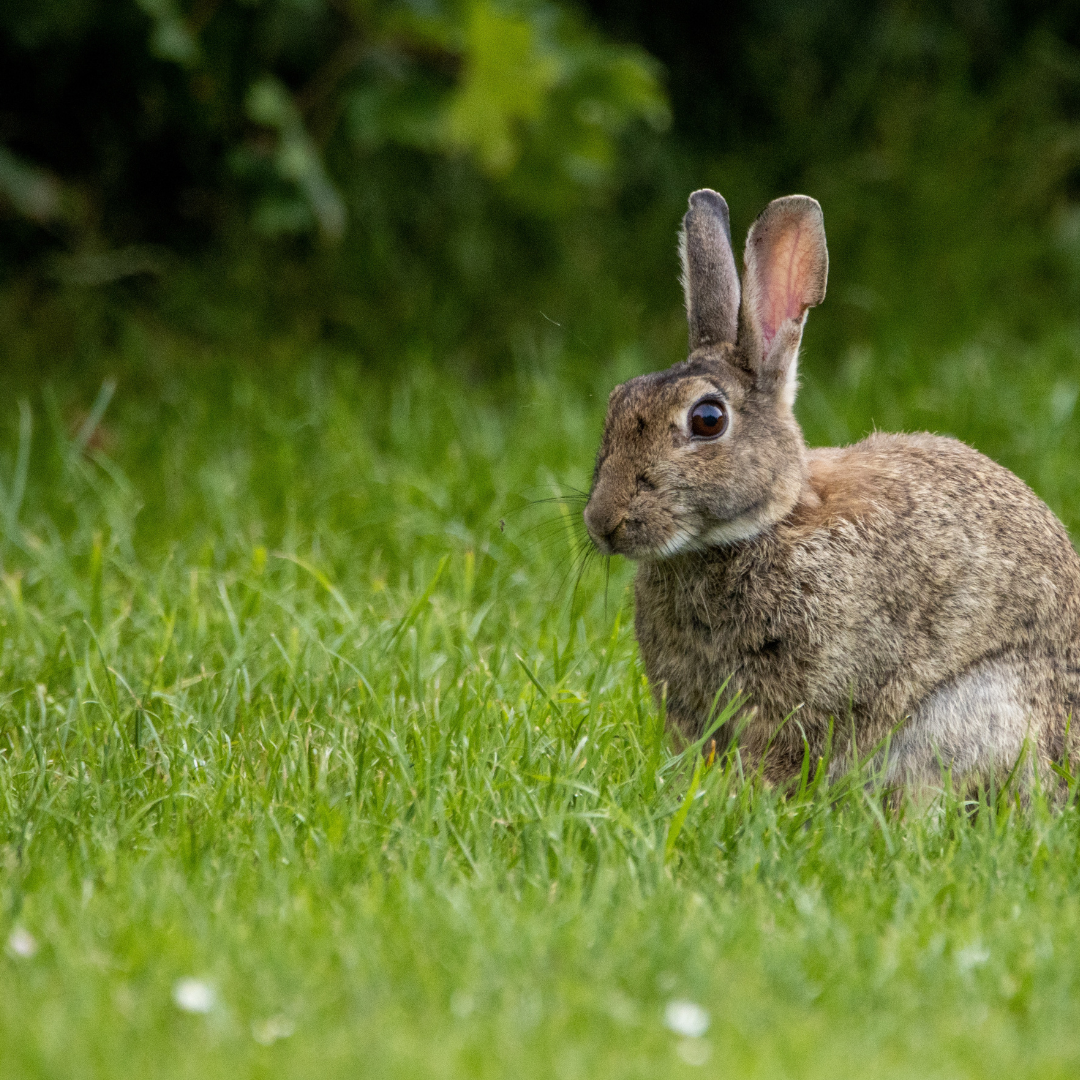
On Wednesday, September 10, the Horticulture Webinar Wednesdays presents Garden Animals: Friends or Foes with Lori Bowling. The webinar begins at 12:30 pm EST/ 11:30 am CST.
On Wednesday, April 23, the Horticulture Webinar Wednesdays presents Slugs in the Garden with Dr. Jonathan Larson, UK Entomology Specialist. The webinar begins at 12:30 pm EST/ 11:30 am CST.
On Wednesday, April 17, the Horticulture Webinar Wednesdays presents Cicadas with Dr. Jonathan Larson, UK Entomologist. The webinar begins at 12:30 pm EST/ 11:30 am CST.
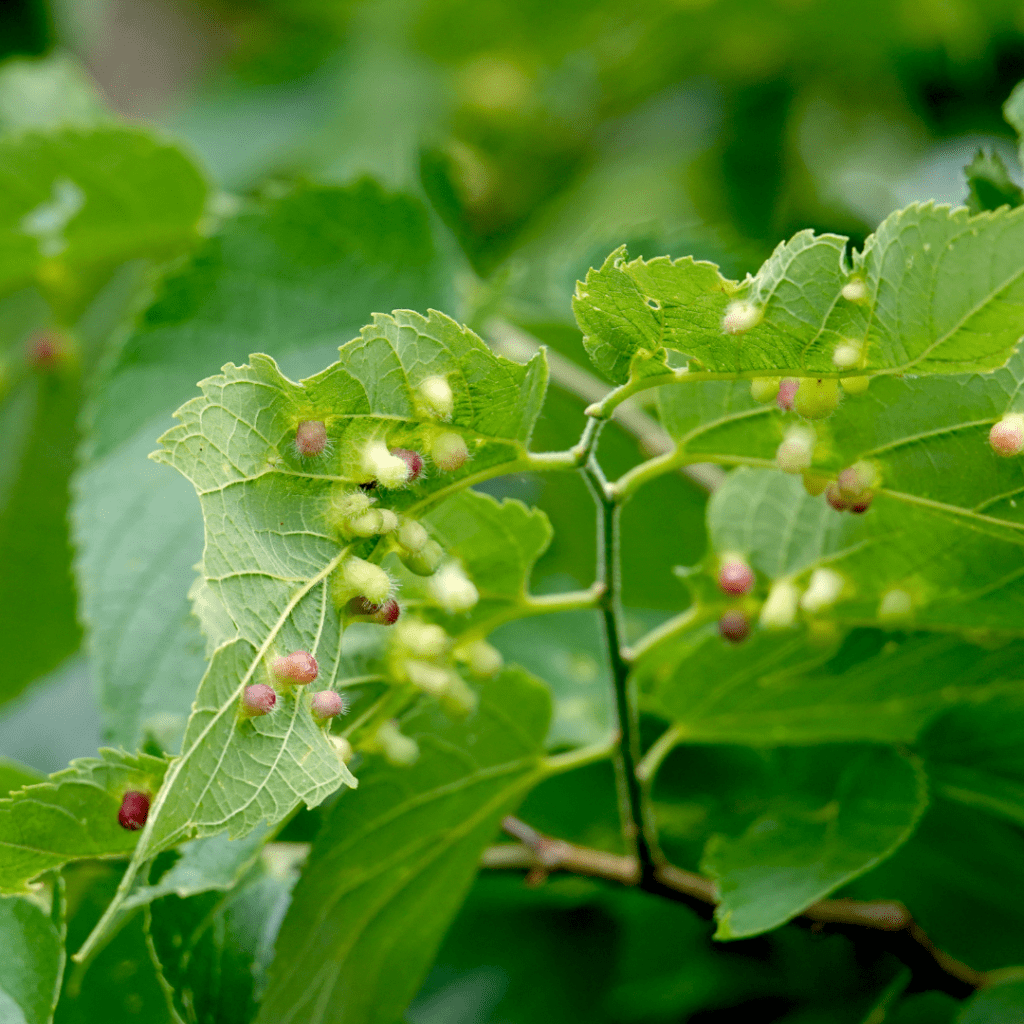
On Wednesday, October 11, the Horticulture Webinar Wednesdays presents identifying Tree Galls with Dr. Michael Skvarla, Entomologist with Penn State University. The webinar begins at 12:30 pm EST/ 11:30 am CST.
On Wednesday, July 19, the Horticulture Webinar Wednesdays presents How to Control Bermudagrass in the Home Lawn with Jason Vaughn, Powell County ANR Agent. The webinar begins at 12:30 pm EST/ 11:30 am CST.
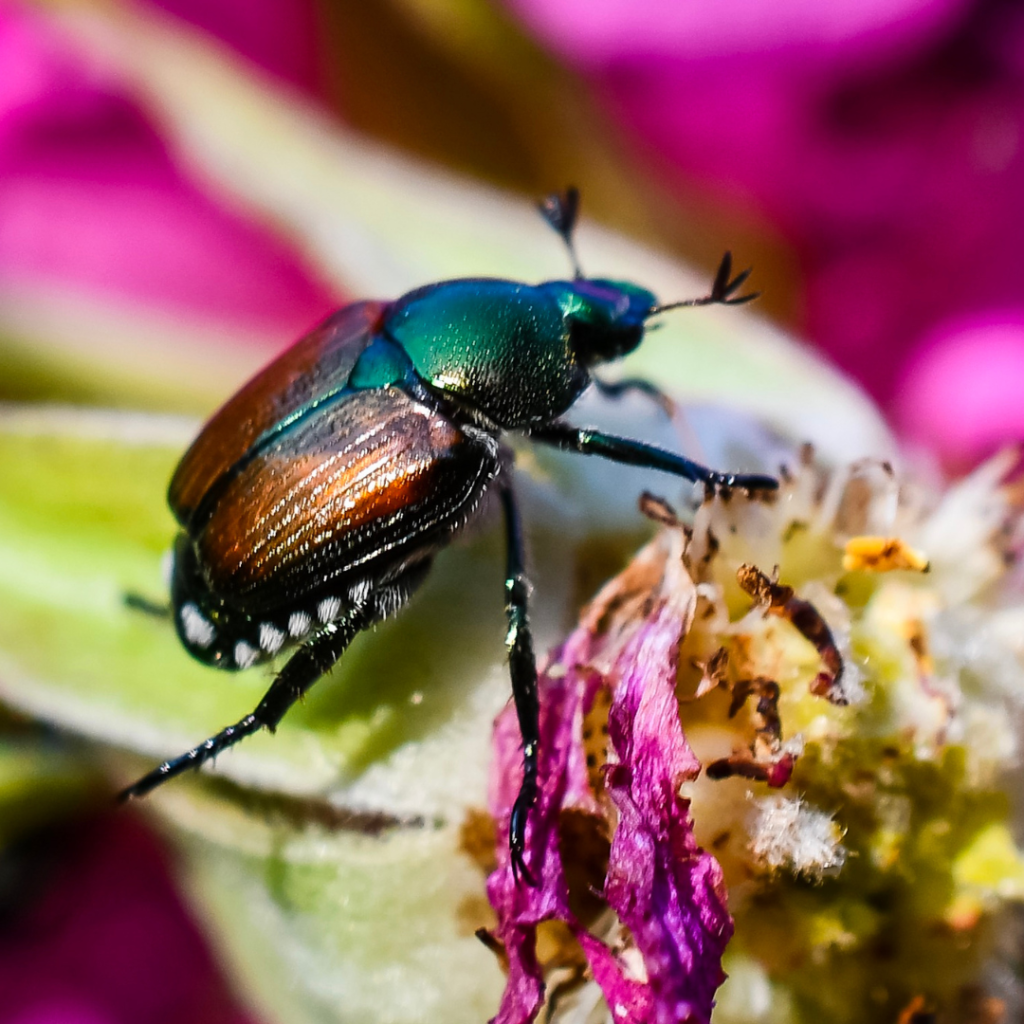
On Wednesday, June 14, the Horticulture Webinar Wednesdays presents Managing Japanese Beetles with Dr. Jonathan Larson, an Entomologist with the University of Kentucky. The webinar begins at 12:30 pm EST/ 11:30 am CST.
On Wednesday, May 3, the Horticulture Webinar Wednesdays presents Putting the Kibosh on Squash Bugs in the Garden with Annette Heisdorffer, Daviess County Horticulture Agent. The webinar begins at 12:30 pm EST/ 11:30 am CST.
Many Kentucky gardeners grow tomatoes, peppers, eggplant, and potatoes for their own use or for sale in local farmer’s markets. Pests are sometimes challenging to identify and even more challenging to manage.
The University of Kentucky College of Agriculture, Food and Environment advocates for a sustainable approach to managing pests by combining biological, cultural, physical, and chemical tools in a way that minimizes economic, health, and environmental risks. A key part of that is to continually scout and monitor your garden to identify problems before they result in a significant loss.
The UK Cooperative Extension publication ID172—An IPM Scouting Guide for Common Pests of Solanaceous Crops in Kentucky—may help you identify common pests. The publication has a variety of photographs that show exactly what to look for in your crop.
Some of the items the publication covers include:
Physiological and nutrient disorders such as vivipary, gold fleck, catfacing, zippering, sunscald, blossom end rot, blotchy ripening, yellow shoulder, and white core.
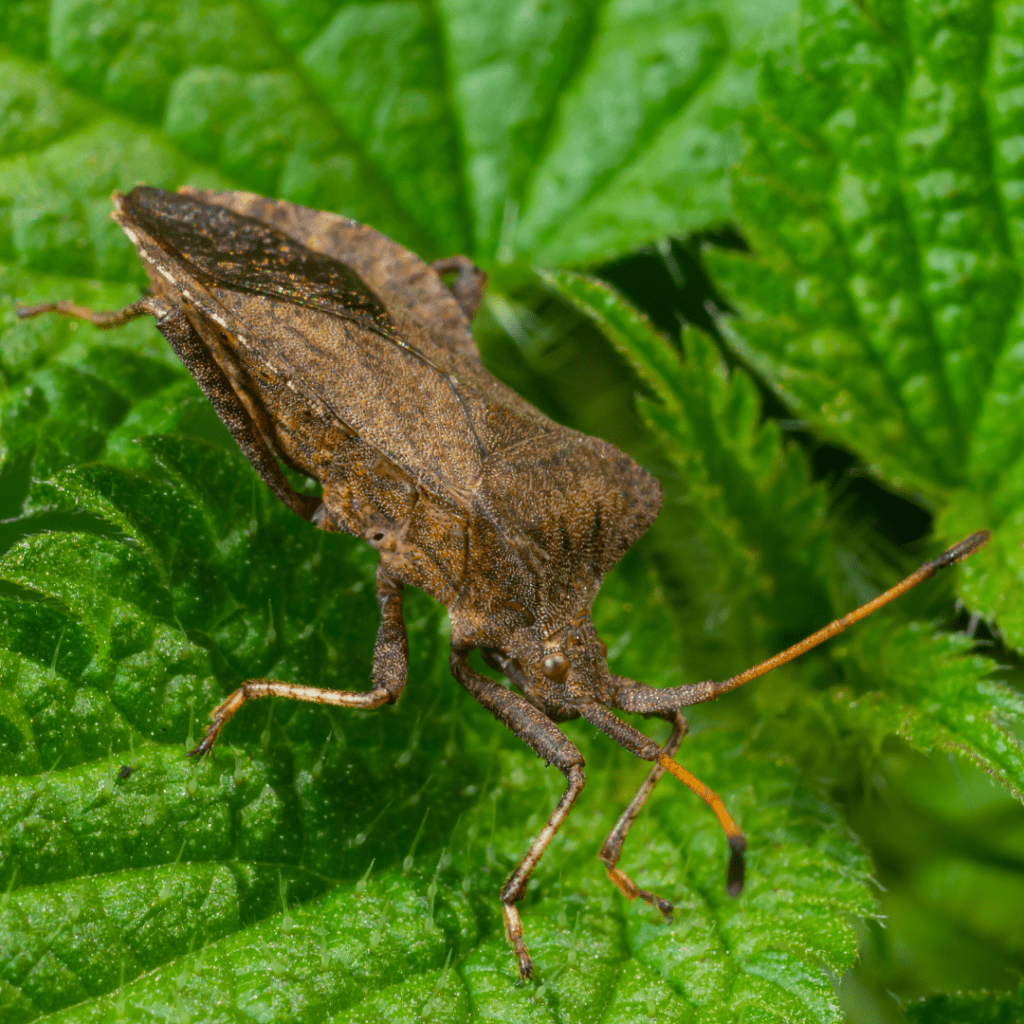
As temperatures go down this fall, you may notice more insects around your home. Insects often retreat indoors to escape the cooler temperatures as a part of their overwintering strategy.
We know that fire ants have been in the state since 2000. They have typically been an invasive species only in Western Kentucky; however, earlier this year, Kentuckians discovered them in the eastern part of the state. These ants can pose a risk to human, animal, and crop health. While the U.S. Department of Agriculture doesn’t currently list Kentucky as an “invaded” state, you should still know how to prevent, spot, report and treat fire ants in case you do encounter them.




 Kentucky Hort News
You must be logged in to post a comment.