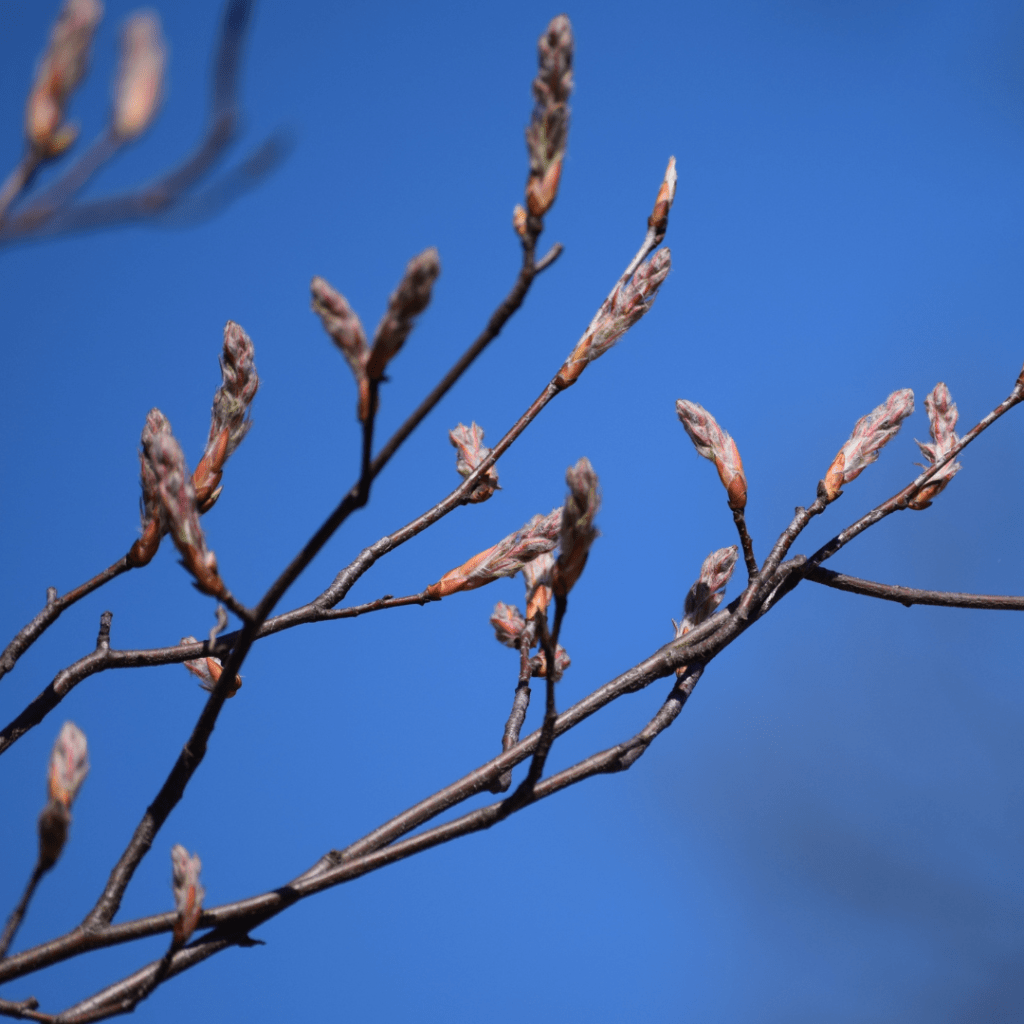
On Wednesday, October 18, the Horticulture Webinar Wednesdays presents identifying Be My Bud! Tree ID in the Winter with Rene Firth, Horticulturalist with the Bernheim Arboretum. The webinar begins at 12:30 pm EST/ 11:30 am CST.
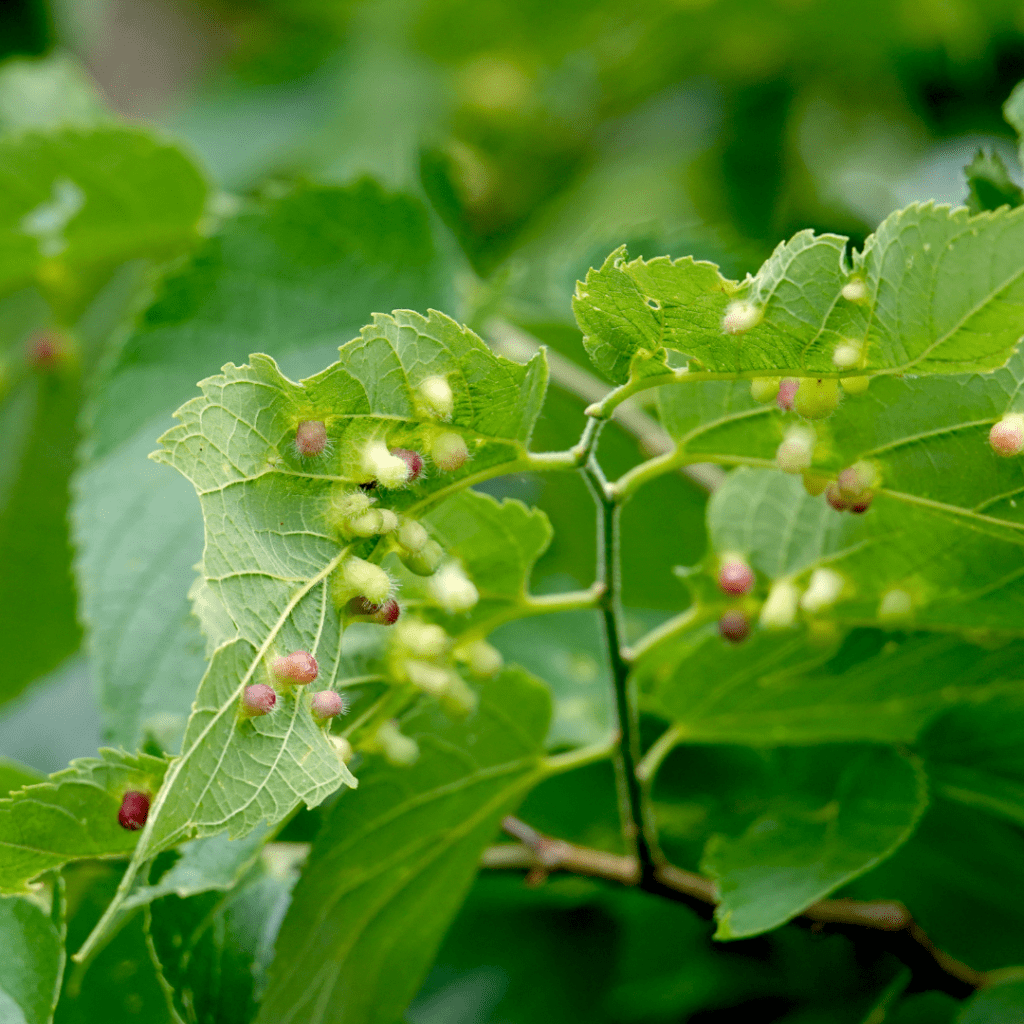
On Wednesday, October 11, the Horticulture Webinar Wednesdays presents identifying Tree Galls with Dr. Michael Skvarla, Entomologist with Penn State University. The webinar begins at 12:30 pm EST/ 11:30 am CST.
On Wednesday, September 13, the Horticulture Webinar Wednesdays presents Hydrangea Selection and Care with Susan Fox, Lyon County ANR Agent. The webinar begins at 12:30 pm EST/ 11:30 am CST.
On Wednesday, August 9, the Horticulture Webinar Wednesdays presents What’s Native to Me with Brandon George, Kenton County Horticulture Agent. The webinar begins at 12:30 pm EST/ 11:30 am CST.
On Wednesday, August 2, the Horticulture Webinar Wednesdays presents Horticultural Oils with Sharon Flynt, Scott County Horticulture Agent. The webinar begins at 12:30 pm EST/ 11:30 am CST.
On Wednesday, July 26, the Horticulture Webinar Wednesdays presents Tree and Shrub Irrigation with Kelly Jackson, Christian County Horticulture Agent. The webinar begins at 12:30 pm EST/ 11:30 am CST.
The extreme cold spell at the end of December 2022 caused severe damage to many shrubs and bushes around Kentucky homes. With plants greening up this spring, you may be wondering what to remove and what to attempt to rescue in your landscape.
The cold is just one part of the puzzle when shrub health declines. Other factors include soil pH, soil volume, too much or too little water, and light availability.
Trees are valuable components of our ecosystems, not to mention the cooling and other benefits they can provide around our homes. But sometimes you may need to cut one down. From a wildlife perspective, the best time to cut down a tree is in the winter. All else being equal, I prefer removing trees in the early to mid-winter, rather than later in the winter.
What Are Some of the Reasons to Cut Down a Tree?
There are many reasons why you might choose to remove a tree from your property. Some common reasons include:
It is a hazard tree which poses a safety risk to people or personal property. If it is a safety risk, it doesn’t matter what time of the year it is. The tree should be removed to make the area safe.
The tree isn’t a safety risk – yet, but you can tell that it is going to be and you’d rather take care of the problem before it becomes critical. Whether you can wait until winter will depend on the circumstances.
You want to manage your property for a prairie / grassland habitat, a savanna habitat, or an open woodlands habitat. Prior to European settlement, much of the eastern U.S. was a complex matrix of habitats ranging from open prairie / grasslands to closed canopy forest. Today, grasslands and shrublands are some of our most rapidly disappearing habitats as they are developed or allowed to grow up into forests.
You want to do a timber harvest.
Why Is Winter the Best Time to Remove Trees?
During the spring and summer, trees may be used as maternity or nesting sites. We all know that many birds nest in trees. Many of our bats also form maternity colonies in tree cavities or under loose bark. Baby birds and baby bats can’t fly. Cutting down a tree in the spring or summer risks killing any baby birds or baby bats in the tree.
In the winter, we don’t have any nesting birds or bat maternity colonies to worry about. Few, if any, of our bats hibernate in trees so you aren’t likely to disturb any bats by cutting down a tree during the winter. Birds may roost among the tree’s branches or in small cavities, but those are transient roosts. Winter birds can, and often do, move from one place to the next. So, if a winter roost disappears, the birds will just move to another. However, many of our owls and some of our hawks will begin nesting in late winter or very early spring, which is why I prefer to remove trees in early to mid-winter, if possible.
Summary
There are many reasons why you might need to cut down a tree. Those reasons will vary from person to person and may include safety, economic, and habitat management considerations, just to name a few. Cutting trees in winter, especially the early to mid-winter, will typically have the fewest negative impacts on your local wildlife.
Source: Shannon Trimboli, Helping you discover and appreciate the nature around you. https://shannontrimboli.com/
Think of fall in the eastern U.S. and fall foliage is likely to be high on the list of things that come to mind. People will drive for hundreds of miles to admire a forest ablaze in bright red, orange, and yellow leaves. More than one vacation, wedding, or other special event is planned each year with the hopes of hitting peak fall color in an area. Kids love tromping through the fallen leaves and making them crunch as loud as they can. And I’ve yet to meet anyone who enters the woods during the fall and proclaims how ugly the woods look with so many leaves on the ground.
Trees are often an overlooked asset in the home landscape. Many homeowners fail to realize that their trees can translate to real dollars when it comes to real estate value. Studies have shown that the presence of mature trees in a well-maintained home landscape increases property values by 7%, on average, over comparable properties without trees. This benefit extends beyond the property line.


 Kentucky Hort News
You must be logged in to post a comment.