Now that Horticulture Webinar Wednesday is in its 5th season – we have lots of great recordings on our YouTube Channel for you to refer back to. Since we are in full swing with the summer vegetable garden – here are 8 Great previously recorded videos you might find helpful.
On Wednesday, May 15, the Horticulture Webinar Wednesdays presents How To Grow Squash with Amy Aldenderfer, UK Hort Agent. The webinar begins at 12:30 pm EST/ 11:30 am CST.
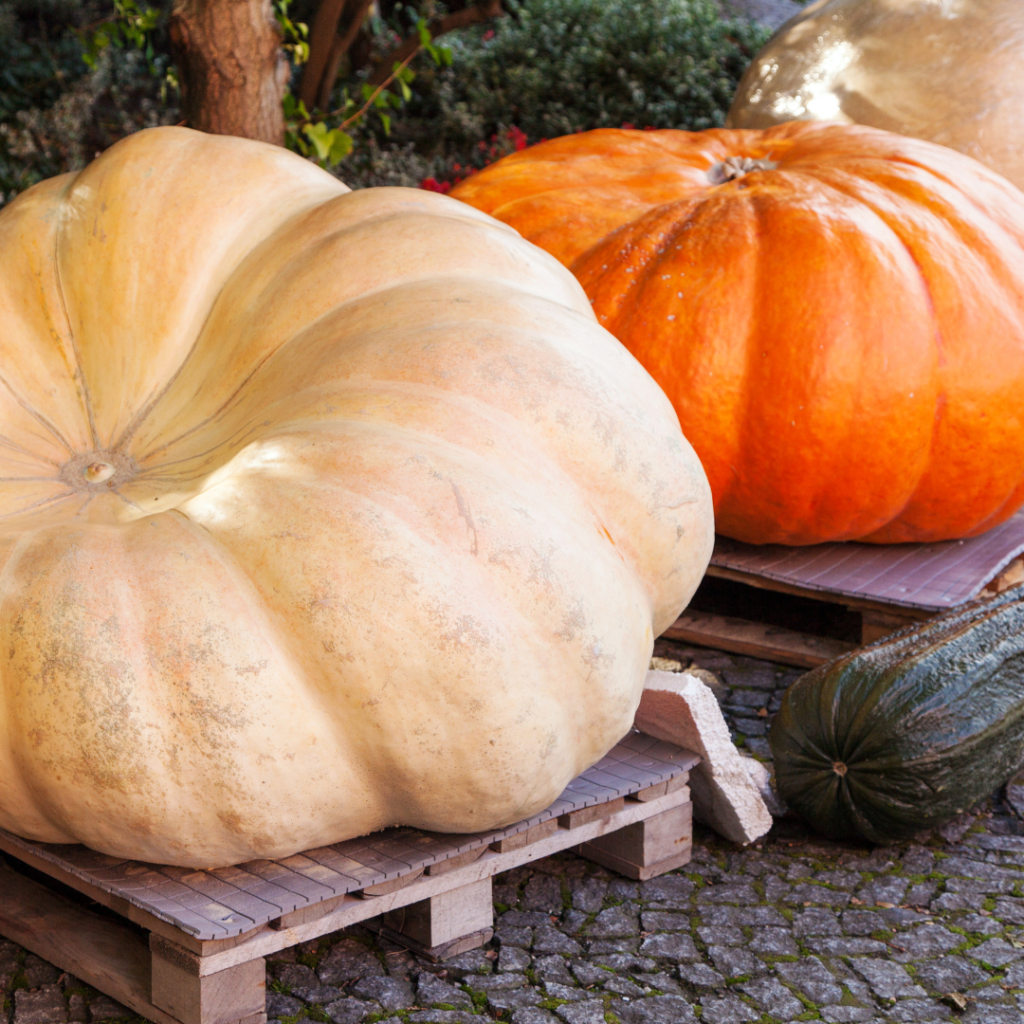
On Wednesday, March 20, the Horticulture Webinar Wednesdays presents Growing Big Pumpkins, with Andy Mills, UK ANR Agent. The webinar begins at 12:30 pm EST/ 11:30 am CST.
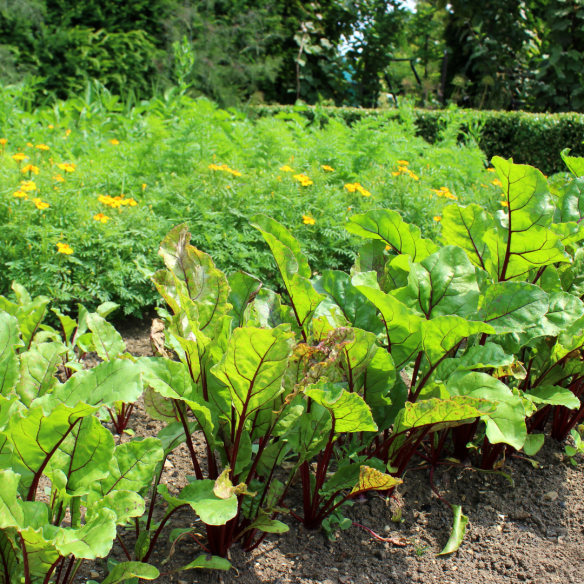
On Wednesday, May 17, the Horticulture Webinar Wednesdays presents Companion Planting with Denise Bolinger, Mason County Master Gardener. The webinar begins at 12:30 pm EST/ 11:30 am CST.
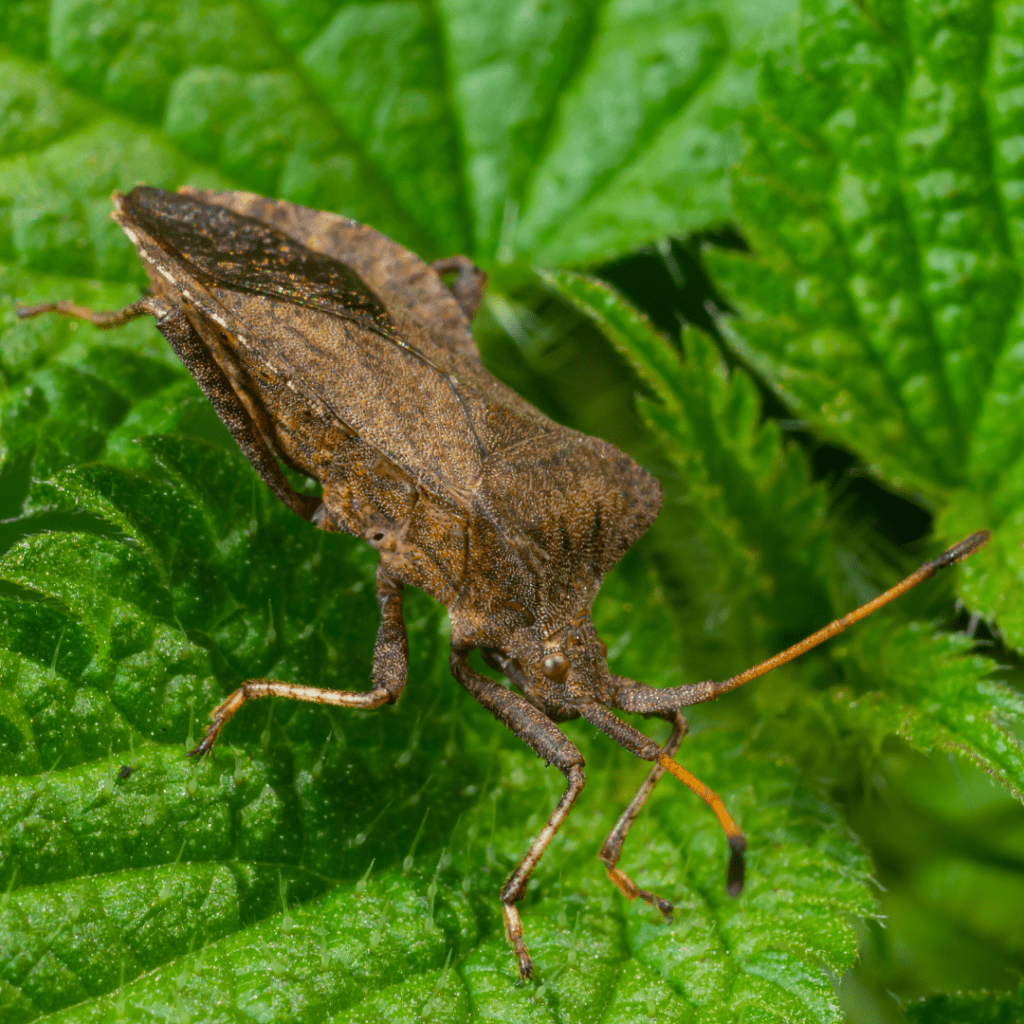
On Wednesday, May 3, the Horticulture Webinar Wednesdays presents Putting the Kibosh on Squash Bugs in the Garden with Annette Heisdorffer, Daviess County Horticulture Agent. The webinar begins at 12:30 pm EST/ 11:30 am CST.
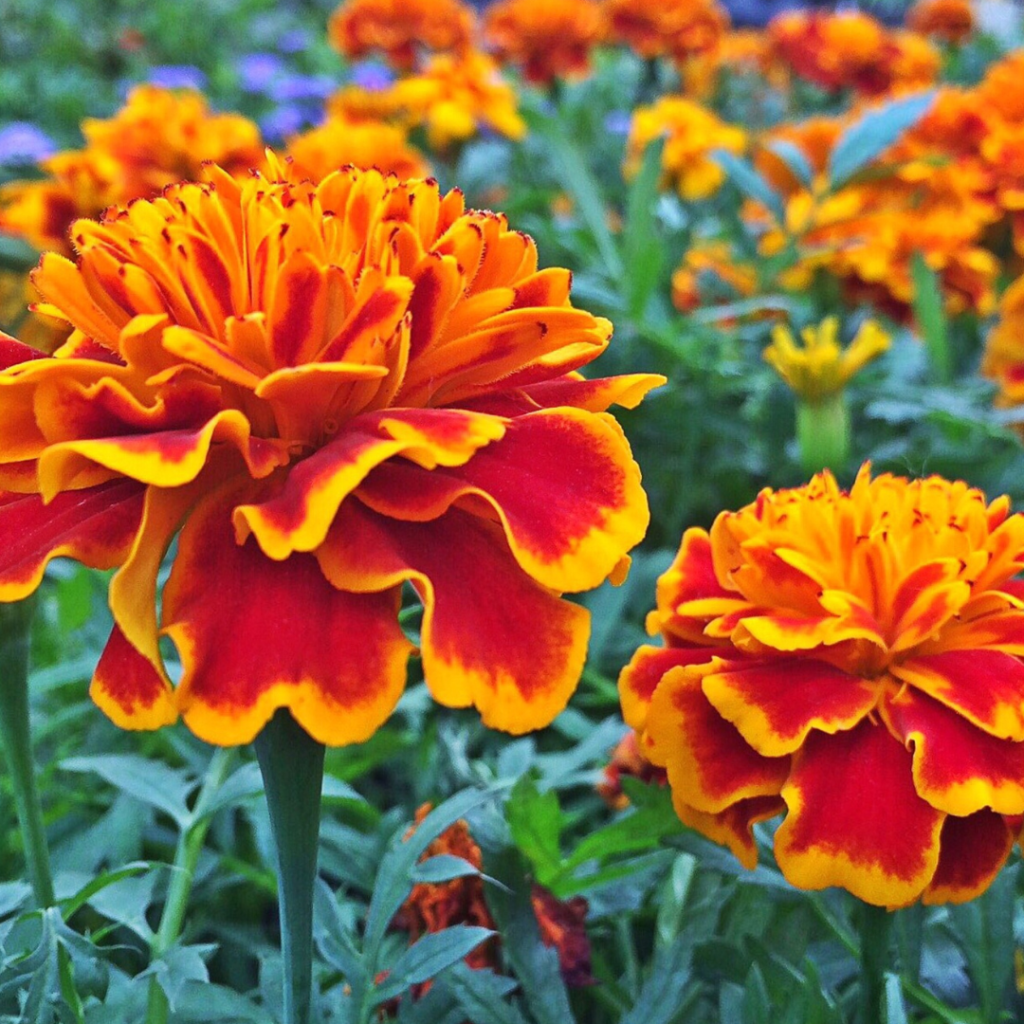
On Wednesday, April 26, the Horticulture Webinar Wednesdays presents Marigolds, the Unsung Hero of the Garden with Dennis Morgeson, Washington County Horticulture Agent. The webinar begins at 12:30 pm EST/ 11:30 am CST.
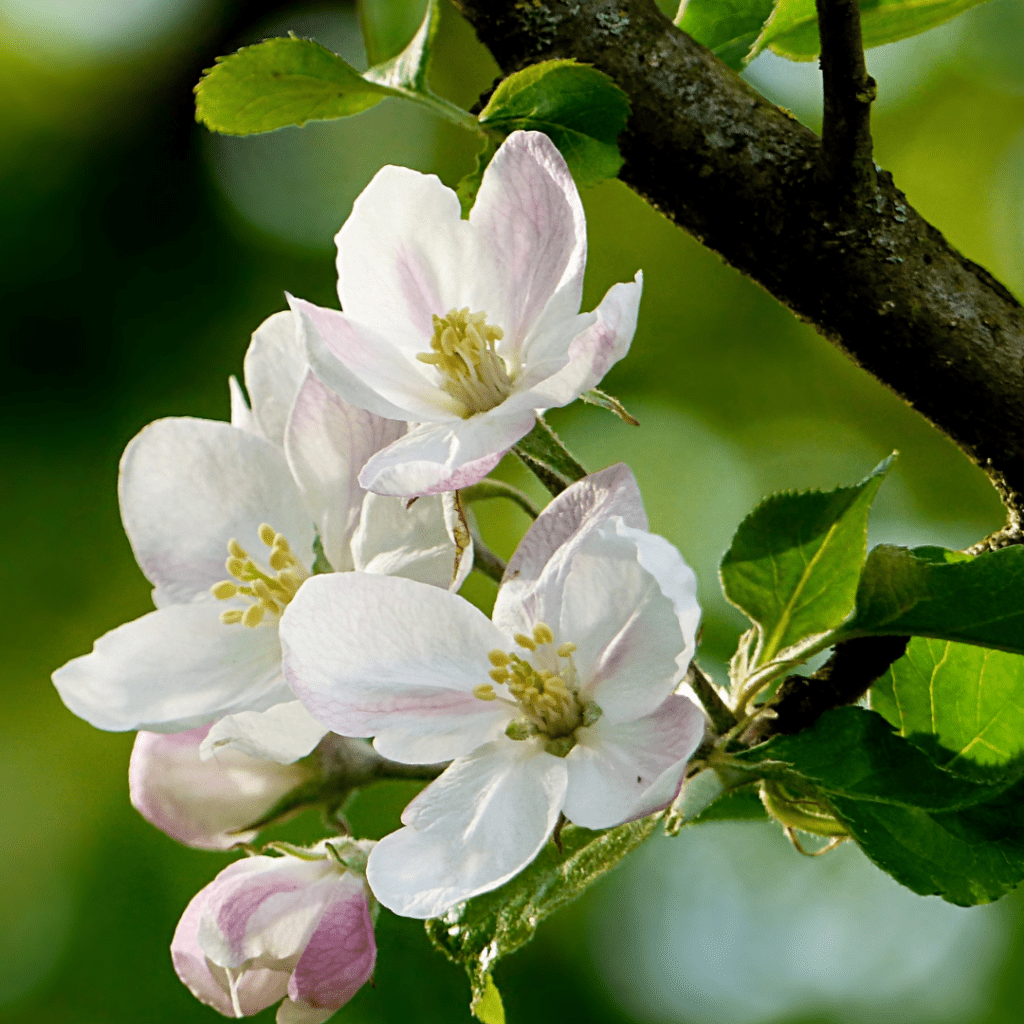
On Wednesday, April 19, the Horticulture Webinar Wednesdays presents Early Season Apple Tree Care with Shawn Wright, UK Horticulture Specialist. The webinar begins at 12:30 pm EST/ 11:30 am CST.
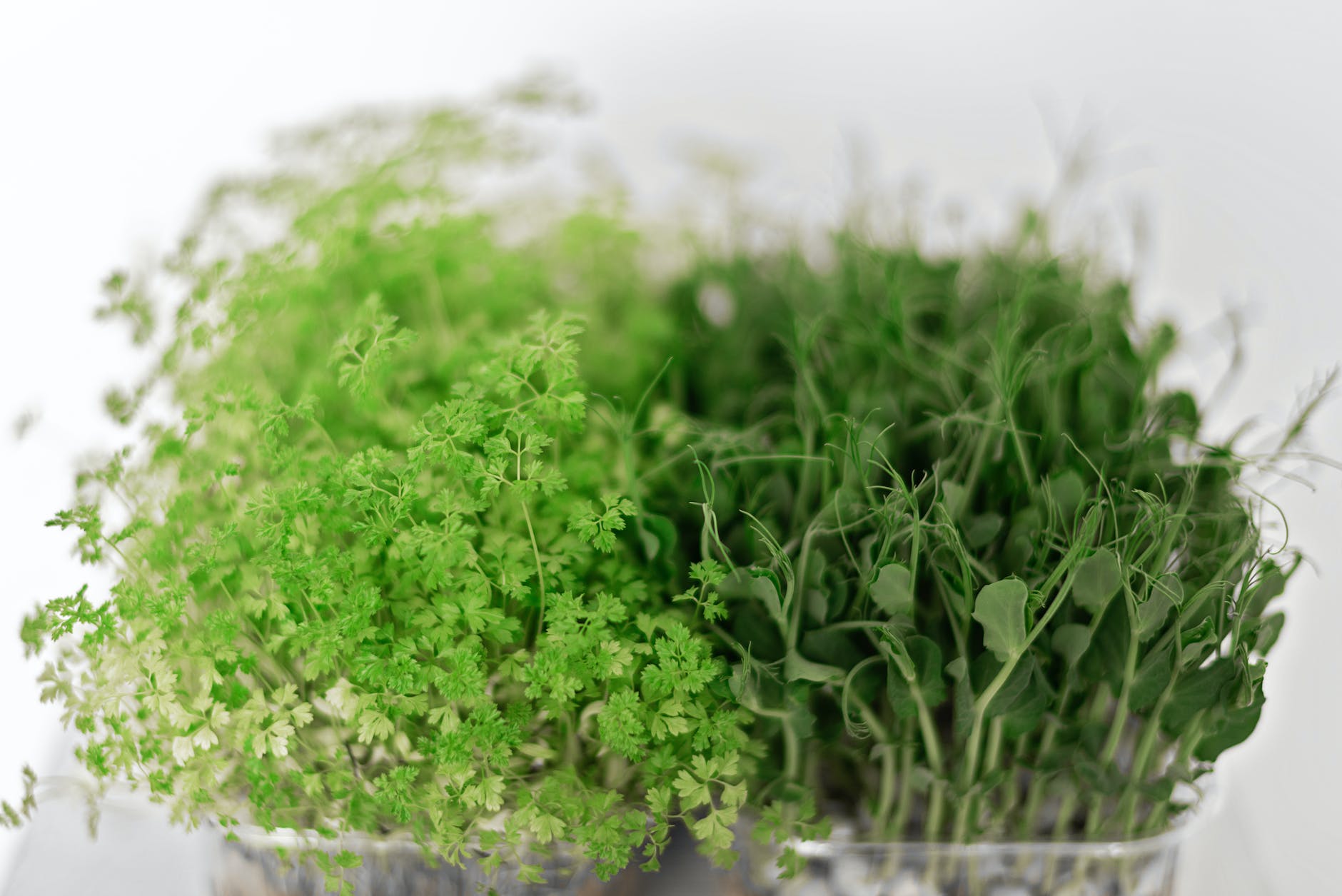
They are tiny, tasty, and trendy. Microgreens are also described as cute, but what are they? Not sprouts; not baby greens, but greens with fully developed cotyledon (first) leaves.
Anyone can grow microgreens in a kitchen window or greenhouse with a shallow pan and 3 inches of clean soil or a sheet of coconut coir. Seeds that you plant will need 4 or 5 hours of light daily within a temperature range of 65 to 75 degrees. Use only herb and vegetable seeds that are labeled for microgreens and have not been coated. Sow the seeds very thickly.
The best seeds to use are cabbage, broccoli, kale, radish, mustard, beets, carrots, chard, basil, cilantro, dill, fennel, parsley, kohlrabi, and arugula. Once planted, microgreens can be harvested in 10 to 14 days. Harvest once cotyledons are fully developed, or true leaves are just beginning to emerge. Larger seeds may take longer. During that time, they should be misted every day. The final product is harvested by clipping them with a pair of clean scissors. The shelf life on microgreens is short, so plan to use them quickly after cutting. The greens should be 2 or 3 inches tall.
An advantage of microgreens is that they can be grown all year, making them a valuable recipe ingredient. They are enjoyed because they appeal to the senses, but they are valued because of their nutrient density. Past research on microgreens confirms them to be high in micronutrients, trace minerals, antioxidants, and vitamins C, K, and E. According to the USDA, the microgreen plant may contain as much as 40 times the nutrients as the mature plant. In recent years, extensive research has begun to determine if microgreens are a practical food source in space. They are also being considered for playing a role in diets that are tailored for specific diseases. Use microgreens as a garnish for soups or desserts; or as an ingredient on sandwiches and in salads.
Source: Johnnie Davis, Marshall County Master Gardener
On Wednesday, April 5, the Horticulture Webinar Wednesdays presents How to Read a Seed Packet (and have better gardening success) with Sharon Flynt, Scott County Horticulture Agent. The webinar begins at 12:30 pm EST/ 11:30 am CST.
Many Kentucky gardeners grow tomatoes, peppers, eggplant, and potatoes for their own use or for sale in local farmer’s markets. Pests are sometimes challenging to identify and even more challenging to manage.
The University of Kentucky College of Agriculture, Food and Environment advocates for a sustainable approach to managing pests by combining biological, cultural, physical, and chemical tools in a way that minimizes economic, health, and environmental risks. A key part of that is to continually scout and monitor your garden to identify problems before they result in a significant loss.
The UK Cooperative Extension publication ID172—An IPM Scouting Guide for Common Pests of Solanaceous Crops in Kentucky—may help you identify common pests. The publication has a variety of photographs that show exactly what to look for in your crop.
Some of the items the publication covers include:
Physiological and nutrient disorders such as vivipary, gold fleck, catfacing, zippering, sunscald, blossom end rot, blotchy ripening, yellow shoulder, and white core.





 Kentucky Hort News
You must be logged in to post a comment.